

Fabric costs have moved significantly across most upholstery categories over the past two years. Some of that movement reflects direct cost pressure; some reflects supply chain shifts with no near-term resolution. Here is where things stand.
What Has Moved Most
Performance and woven textural fabrics have seen the largest increases. Stain-resistant and high-rub-count weaves for commercial and family use have been hit by both raw material costs and continued strong demand against inadequate manufacturing capacity. These are not temporary blips.
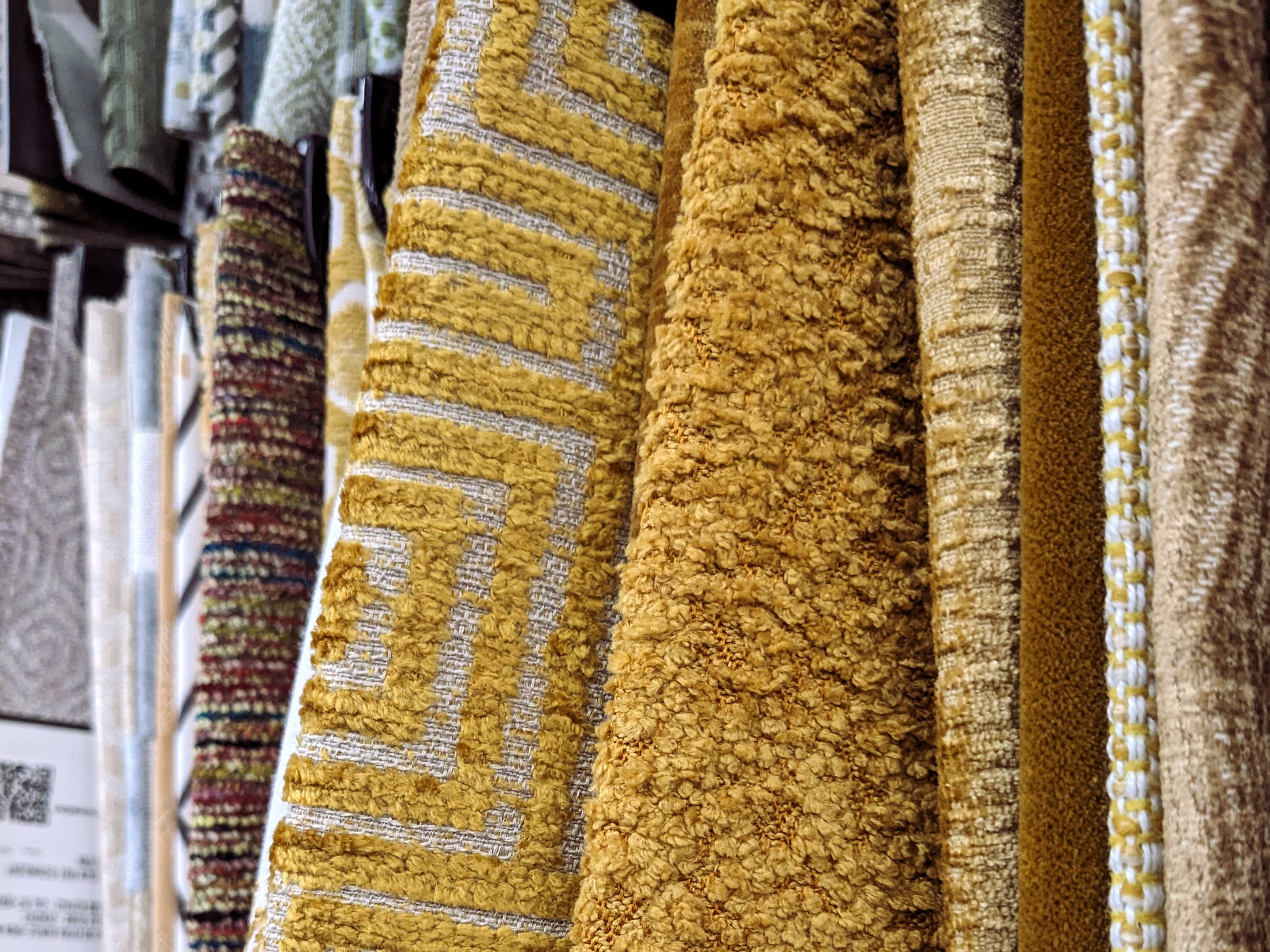
Velvets and chenilles show moderate increases with sporadic availability issues. Several mills have consolidated or shifted production. Lead times have extended in some cases.
Vinyl and faux leather vary by origin. Domestically produced product has been relatively stable. Imported product has not, for tariff-related reasons covered in our separate piece on surcharges.
Mid-range cotton and linen blends have seen modest increases only. Diverse sourcing options have kept pressure down in this category.
Your Markup Is Earned
When you supply fabric as part of a job, you are acting as a purchasing agent. You take on sourcing risk, coordination work, and liability for damage or mis-cut material. A markup of 15 to 25 percent over your cost is standard professional practice.
Clients sometimes push back by pointing to prices they found online. What they find online is retail pricing. You have access to trade accounts they do not, and your job includes sourcing the correct specification. The markup reflects that.
Client-Supplied Fabric
More clients are attempting to source their own fabric. Three problems come up reliably.
Specification mismatches are common. Client-supplied fabric is often unsuitable for upholstery: insufficient rub count, wrong backing, wrong weight. You remain responsible for how the finished job looks regardless of who bought the material.
You also lose the markup without a corresponding reduction in labour cost.
A reasonable policy: accept client-supplied fabric only with a written acknowledgment that you are not responsible for fabric performance or suitability. Charge a handling and inspection fee to cover the administrative work.
Outlook
Import uncertainty in the textile sector is not resolving quickly. Shops managing this best are adjusting standard rates rather than absorbing margin compression. If your material costs have risen 15 percent over two years and your prices have not moved, you are subsidizing your clients’ expectations with your margin.
Guild members can access fabric distributor comparisons and regional pricing benchmarks through the member network. Contact us directly if you want to know how your current suppliers compare.